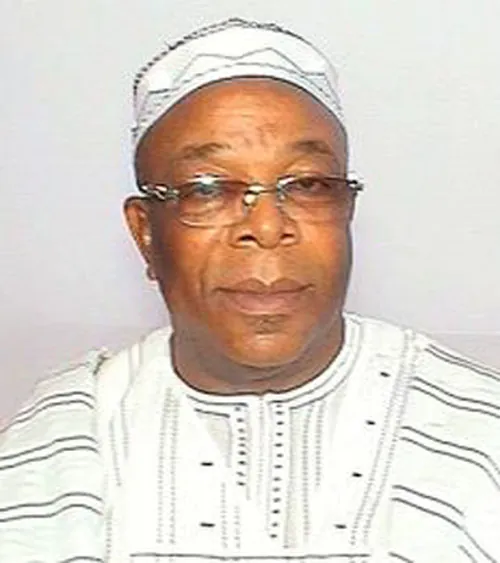
By Daniel A. Noah Osa-Ogbegie, Esq.
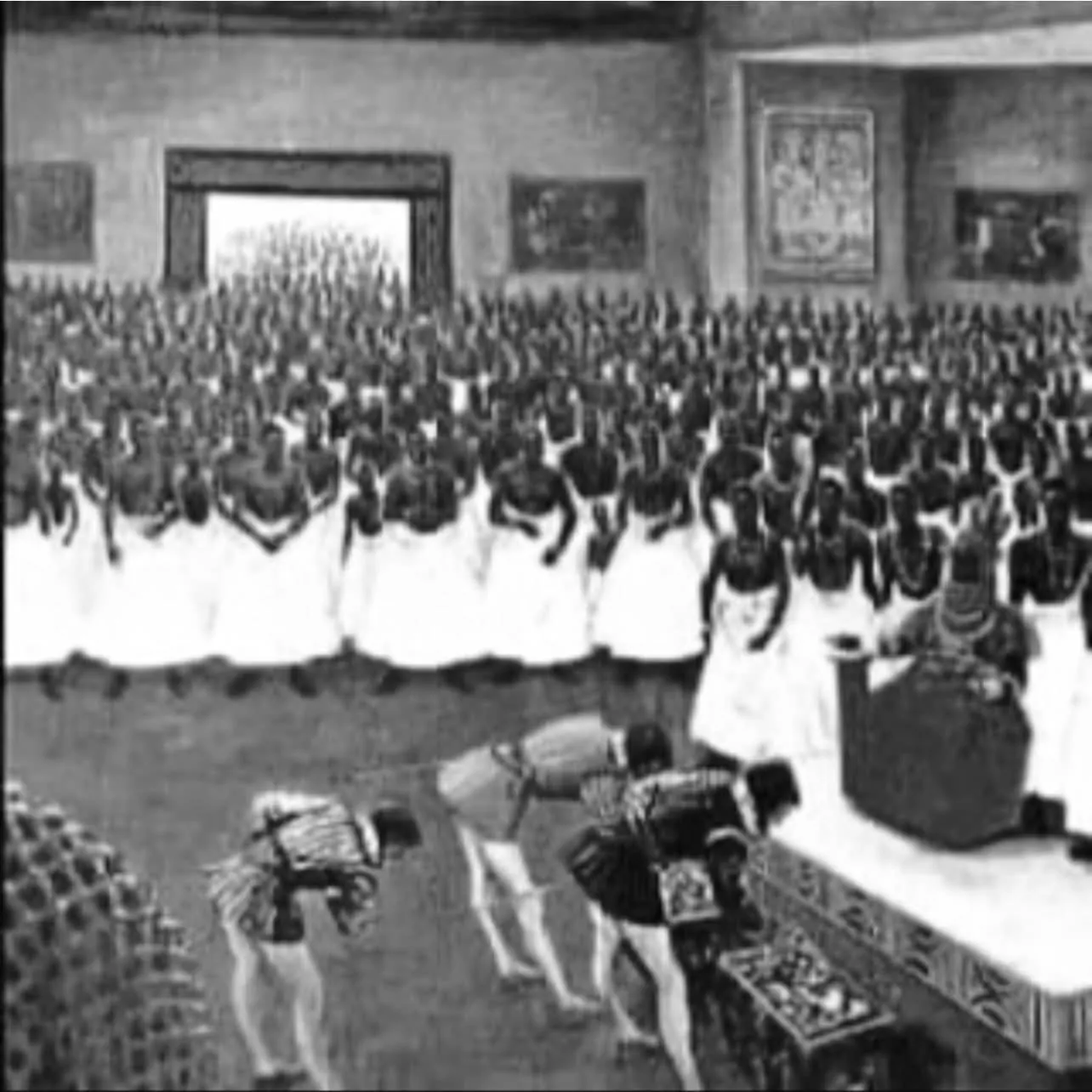
In recent years, the digital space has become awash with revisionist propaganda attempting to distort the origins and legacy of the ancient Benin Kingdom. Some of these distortions are pushed by sections of the Yoruba and Igbo intelligentsia and amateur propagandists all over social media, and occasionally parroted by a few misinformed voices from Esan, unfortunately. These narratives, which portray Benin as a child of conquest or a fragment of Yoruba imperial imagination, are not only false, they are fundamentally ignorant. It must be stated boldly and unapologetically that Oranmiyan did not invade Benin. He was invited.
Oranmiyan was not a warrior, nor did he come with an army. He came to Benin at the invitation of four respected elders namely Oliha, Edohen, Eholo Nire and Ero, following the interregnum that ended the Ogiso era. The elders sought continuity through a direct royal bloodline, and Oranmiyan, being the son of Ekaladerhan or Oduduwa, was considered suitable as Oduduwa was already aged. But his stay was short-lived. He found the Edo people “too difficult to rule”. The famous remark attributed to Oranmiyan upon his departure from Benin (then Igodomigodo) is:
“Igodomigodo is a land of fierce warriors, resistant to foreign rule. Only a native son, raised in its traditions, is fit to govern its people.”
This remark has been passed down in Edo oral history and royal traditions. It reflects Oranmiyan’s frustration with the political dynamics and cultural assertiveness of the Edo people, which ultimately led to his decision to return to Uhe (Ife). It also prophetically set the stage for the birth and enthronement of Eweka I, his son by an Edo woman, who became the first Oba of Benin.
This remark symbolises a foundational truth: Benin cannot be ruled by outsiders, only by those who understand and embody her soul. It speaks to the Edo people’s deep cultural independence and the legitimacy of native rulership; one reason why Eweka I, born and nurtured in Igodomigodo, was accepted as king, while his father, despite royal pedigree, could not rule effectively. It was also why the British could not appoint another person as Oba of Benin after the demise of Oba Ovoramen, as much as they tried.
The truth that terrifies revisionists is that Oranmiyan was the son of Ekaladerhan, the exiled Edo Prince who became deified in Ife as “Oduduwa” a corrupted form of Idoduwa or Izoduwa. These names still exist in Edo till this day—Idoduwa, Izoduwa, Ekaladerhan, Omonoyan—but are absent in Yoruba enclaves, confirming what historians and oral traditions have long attested: that “Oduduwa” was not a Yoruba ancestor, but an Edo exile who founded a dynasty in exile.
Indeed, even Prof. Sophie Oluwole, the late renowned Yoruba philosopher, affirmed this connection. In an illuminating interview, she traced her ancestry to Igbara-Oke in present-day Ondo State, a known frontier town between the Benin and Oyo Empires. She revealed that her grandfather, an Edo man, was posted there as a Benin emissary and garrison commander under the authority of the Oba of Benin. She went further to recount how, in her childhood, the Oba of Benin would pass through Igbara-Oke on his way to Ibadan, and was ceremonially received with drums and dancing by the Edo families living there. These are not tales, they are living history.
That account not only affirms the imperial presence of Benin in Ekiti and Ondo, but also dispels the myth of Yoruba domination. It shows that Benin’s administrative and cultural reach extended far beyond its core territory, asserting dominion as far west as Igbara-Oke, and influencing regions that now form modern Ekiti and Ondo States.
Let us also address a misconception that has been weaponised: that Benin’s diversity in those days was proof of subjugation or that Benin was not the original inhabitants of Igodomigodo. This is a shallow reading of empire. Yes, people of varied origins—Esan, Urhobo, Izon, Ika, Yoruba, Igbo, etc—lived in and around Benin. But not because Benin was a patchwork of refugees. These groups lived under Benin’s aegis because it was an empire. Like all empires—Rome, Byzantium, Mali; in present-day USA, London—Benin attracted settlers, tributaries, and subjects. Multiculturalism is the badge of empires, not their undoing.
And now, to the oft-misrepresented name: Idu.
Those who claim that Benin arose from a “lost Idu kingdom” misunderstand or deliberately miscast the truth. Idu is not a dead myth. Idu is the revered progenitor of the Edo people. His name and spirit are still actively propitiated only by the Benins. Names such as Idukpaye, Idusomwan, Idusota, Idusoyen are living testaments to that ancestry. Even family greetings in Benin reflect this: my own maternal lineage, the Ogiefa family of Benin, uses the ancestral salutation “La’Idu”, in honour of that progenitor. No other ethnic group associated with Idu has preserved such depth of continuity in worship, naming, and reverence. That sacred memory lives on only in Benin.
To then suggest that Benin was carved out of a fleeing community of disorganised tribes is not only laughable, it is heresy against memory and heritage. Before Ife even knew kingship, Igodomigodo was already a kingdom. Its walls were already raised. Its gods already named. Its laws already decreed.
Those who peddle this nonsense are driven not by curiosity, but by a desperate inferiority complex. Lacking the grandeur of Benin’s history, they seek to hack it down, or worse, claim it for themselves.
But history is not yours to rewrite, especially when you never held the pen.
The truth is carved into the bronzes of Igun, etched into the earthworks of Benin, and beating in the hearts of every Edo son and daughter who remembers the footsteps of Ekaladerhan and how he went through the cruciblefrom the cradle to still be elevated and honoured as a mighty man and overlord, the sceptre of Eweka I, and the voice of Oba Ewuare in the wind.
You cannot rewrite what you did not write.
DAN Osa-Ogbegie is a member of the Oloke family parternally, the Ogiefa family martenally and also the Ogbewekon family. Ogbewekon was a son of Oba Osemwende.
Leave a Reply