There are politicians who win elections.
There are politicians who occupy offices.
And then there are those rare figures whose influence extends across generations, political parties, administrations and even national eras.
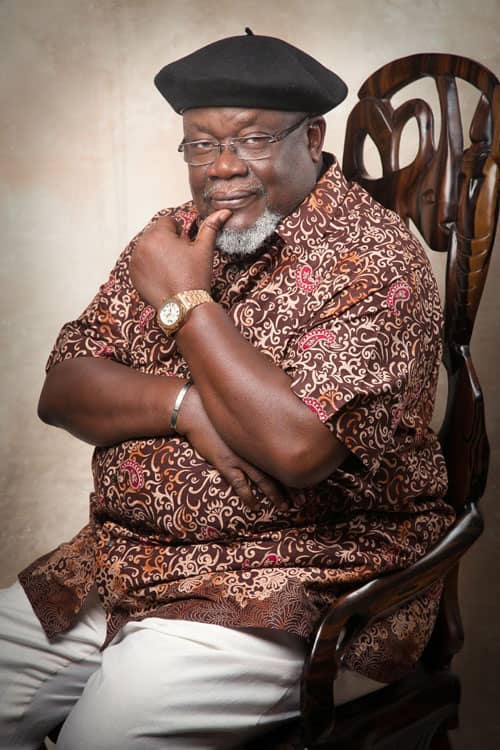
High Chief Tom Ikimi, the Oduma of Esanland, belongs firmly in that distinguished category.
For more than four decades, he has remained one of Nigeria’s most respected political strategists, diplomats and elder statesmen, navigating the country’s turbulent political waters with remarkable relevance and influence.
Born on April 10, 1944, in Kumba, Southern Cameroons — then a territory that remained part of Nigeria until the 1961 plebiscite — Tom Ikimi’s story is deeply connected to both the history of Nigeria and the wider West African region. His parents hailed from Igueben in present-day Edo State, ensuring that despite his birthplace, his roots remained firmly planted in Esanland.
His educational journey reflected the determination that would later define his public life. After studying at St. Joseph’s College, Sasse-Buea, he attended the Midwestern Polytechnic in Auchi before proceeding to Ahmadu Bello University, Zaria, where he earned a degree in Architecture. He would later establish a successful architectural practice and distinguish himself professionally before venturing fully into politics.
Yet architecture alone could not contain his appetite for public service.
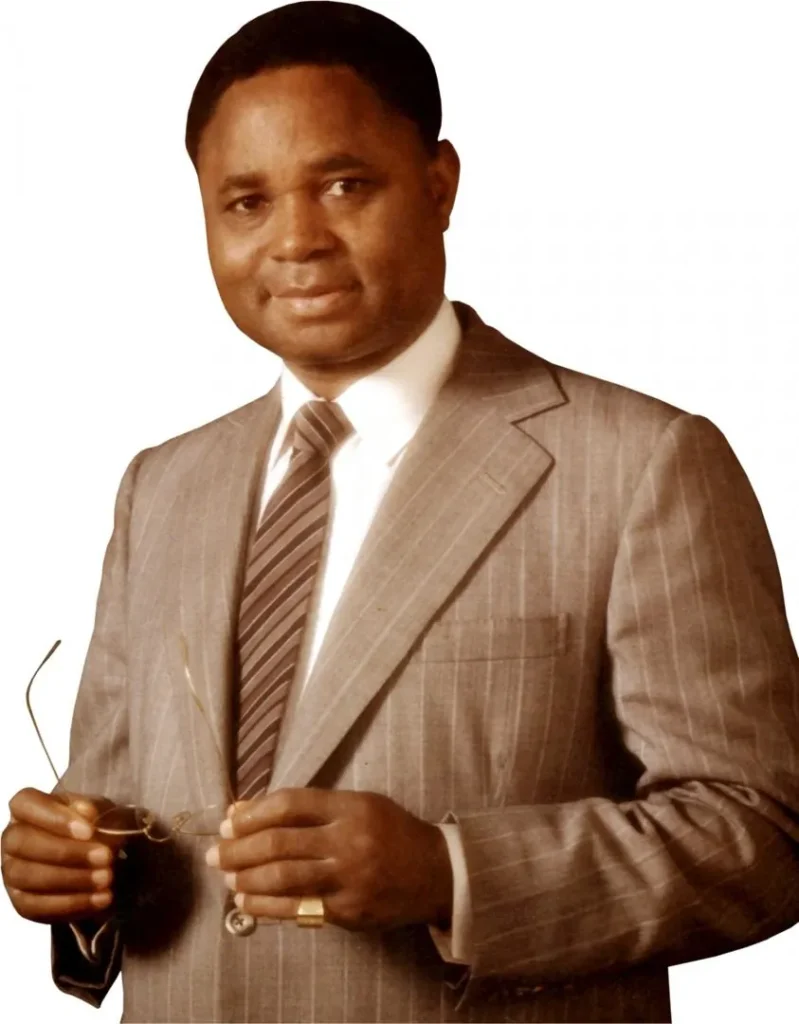
By the late 1980s and early 1990s, Ikimi had emerged as one of the key architects of Nigeria’s political transition process. As the pioneer National Chairman of the National Republican Convention (NRC), he helped build one of the two major political parties created during General Ibrahim Babangida’s transition programme. In that role, he demonstrated exceptional organisational ability and political foresight.
His political influence would continue to expand.
Following the political crises of the early 1990s, he served as Special Adviser to General Sani Abacha before becoming Nigeria’s Minister of Foreign Affairs in 1995. It was a particularly difficult period in Nigeria’s international relations, marked by diplomatic tensions and growing global scrutiny.
Yet even under those circumstances, Tom Ikimi brought intelligence, composure and strategic thinking to the conduct of Nigeria’s foreign policy.
As Foreign Minister, he chaired important ECOWAS initiatives and played significant roles in regional peace efforts, particularly in Liberia and Sierra Leone. His diplomatic engagements took him to the United Nations, the Organisation of African Unity and numerous international negotiations where Nigeria’s interests were vigorously represented.
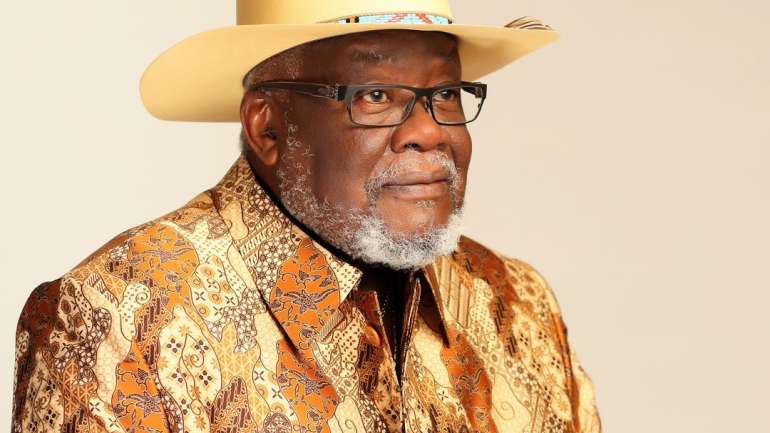
Few Edo sons have operated at such elevated levels of international diplomacy.
But perhaps one of Tom Ikimi’s most remarkable qualities is his political adaptability.
Across different political eras, he has remained relevant not because he sought power for its own sake, but because of the value of his experience, strategic judgement and political wisdom.
He has participated in the formation, growth and evolution of several major political platforms in Nigeria. From the NRC to the APP, PDP, AC, ACN and later the APC, his fingerprints can be found on some of the most significant political realignments in contemporary Nigerian history. He was notably among the leading figures who coordinated discussions that eventually produced the APC merger in 2013.
Yet beyond politics and diplomacy lies another side of the man.
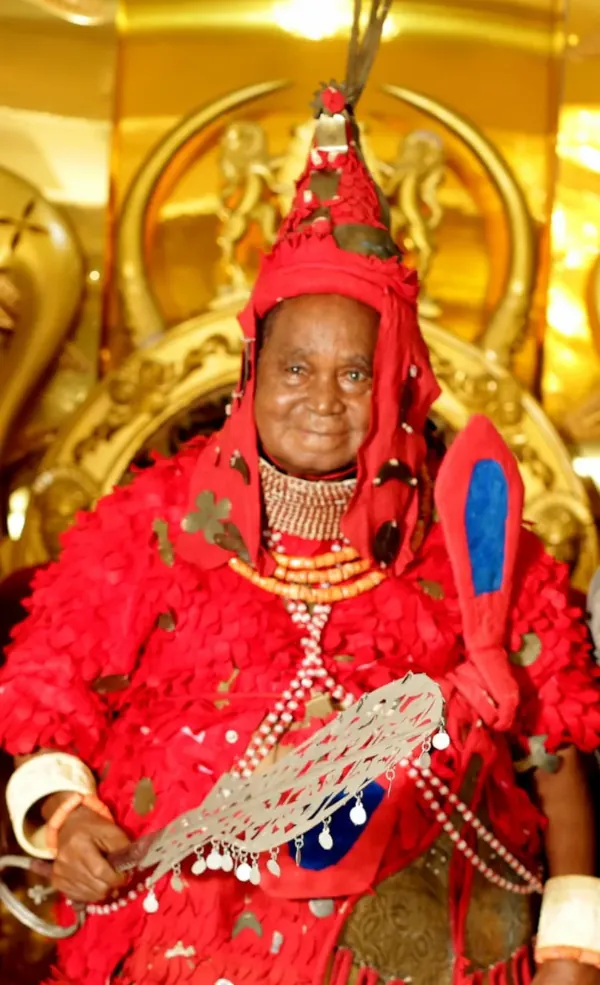
Among the Esan people, he is not merely a politician. He is a respected traditional figure, carrying the honour and dignity of the title Oduma of Esanland, a position that reflects the esteem in which he is held by his people.
Those who know him often speak of his intellect, discipline, eloquence and remarkable memory. Even in advanced age, he remains deeply engaged in national discourse and continues to command respect across political divides.
In an era where political relevance is often fleeting, Tom Ikimi stands as a reminder that influence built on substance tends to endure.
His life reflects a rare combination of professional excellence, diplomatic accomplishment, political courage and cultural pride.
For Edo State, he remains one of our most accomplished statesmen.
For Nigeria, he remains one of the enduring architects of our political and diplomatic history.
And for younger generations, he offers a powerful lesson that true leadership is not measured merely by the offices one occupies, but by the institutions one helps build, the conflicts one helps resolve, and the legacy one leaves behind.
High Chief Tom Ikimi’s place in Nigeria’s story is secure.
His journey from Kumba to the highest levels of national and international service remains one of the most remarkable public service stories ever produced by Edo State.
High Chief Tom Ikimi. The Oduma of Esanland. A diplomat. A strategist. A statesman. An Edo Icon.
The greatest tribute to extraordinary lives is remembrance. They live on in the stories people refuse to stop telling.
Leave a Reply