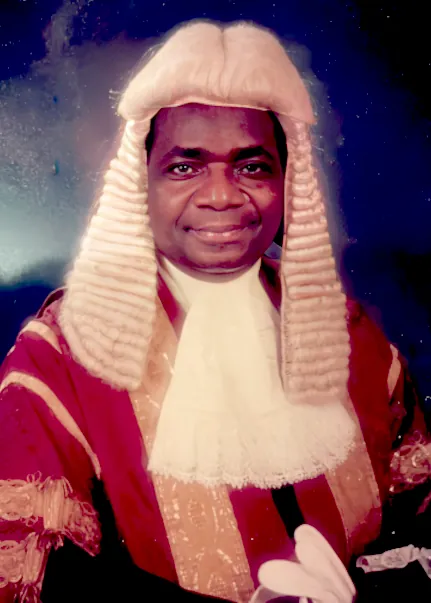
There are men who build businesses.
There are men who build political movements.
And then there are those rare individuals who help build the very institutions upon which a nation stands.
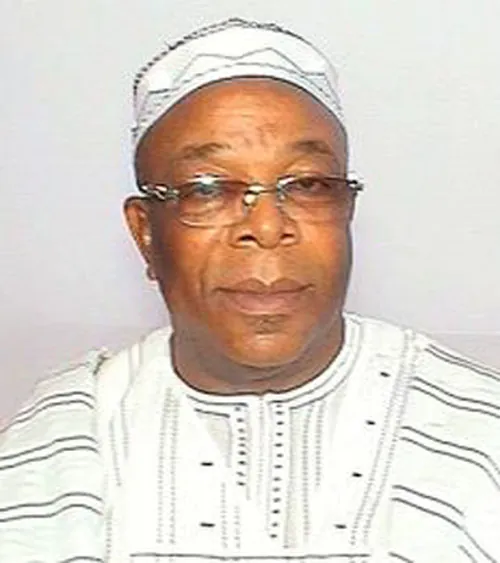
Justice Samson Odemwingie Uwaifo belongs unmistakably to that distinguished category.
For decades, he stood at the highest levels of Nigeria’s judicial system, helping to shape legal thought, strengthen constitutional democracy, and uphold the rule of law.
His name may not be as familiar to the average Nigerian as those of politicians or business leaders, yet within legal circles, courtrooms, universities, and among students of jurisprudence, Justice Uwaifo occupies a place of immense respect.
His legacy is written not in campaign speeches or corporate balance sheets, but in judgments, legal principles, and a lifetime devoted to justice.
Born in Benin City, Edo State, Justice Uwaifo emerged from a generation that understood education not merely as a pathway to personal advancement, but as a vehicle for service. From an early age, he demonstrated the discipline, intellectual curiosity, and commitment to excellence that would later define his distinguished legal career.
After studying law and being called to the Nigerian Bar, he entered a profession that demands more than intelligence.
It demands character.
The law places extraordinary power in the hands of judges. Their decisions can affect governments, institutions, businesses, and the lives of ordinary citizens.
To exercise such responsibility effectively requires wisdom, restraint, courage, and integrity. These were qualities that became synonymous with Justice Samson Uwaifo.
His rise through Nigeria’s judicial hierarchy reflected years of hard work and professional excellence. He served with distinction at various levels of the judiciary before eventually reaching the pinnacle of the profession as a Justice of the Supreme Court of Nigeria.
For any lawyer, appointment to the Supreme Court represents the highest judicial honour in the land. Only a select few attain that level. Even fewer leave behind a reputation that commands admiration across generations.
Justice Uwaifo achieved both.
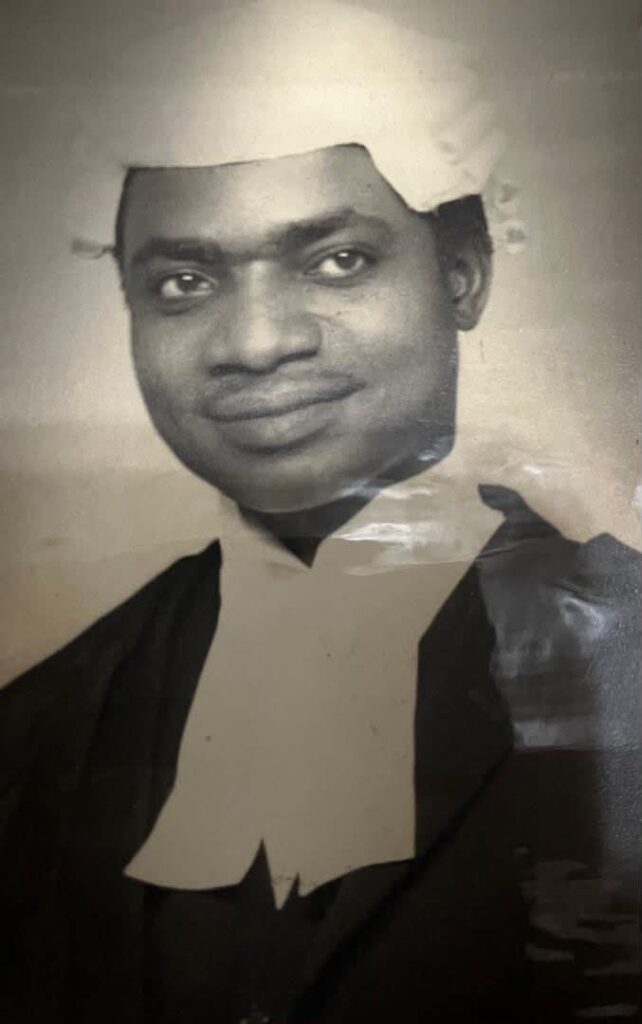
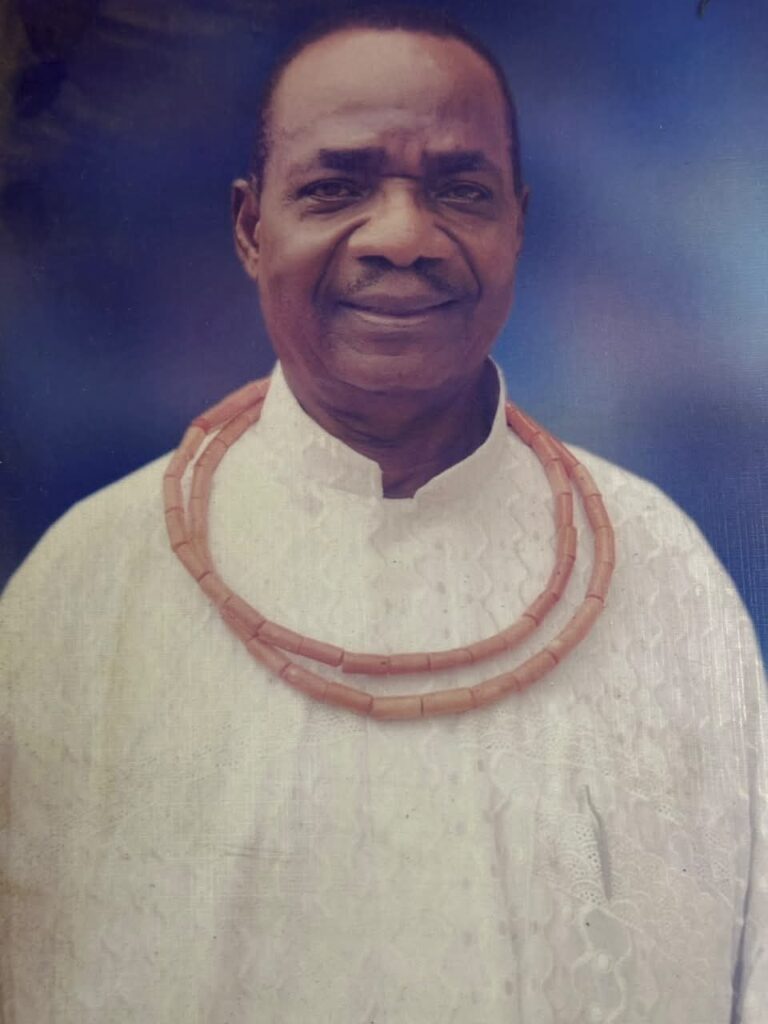
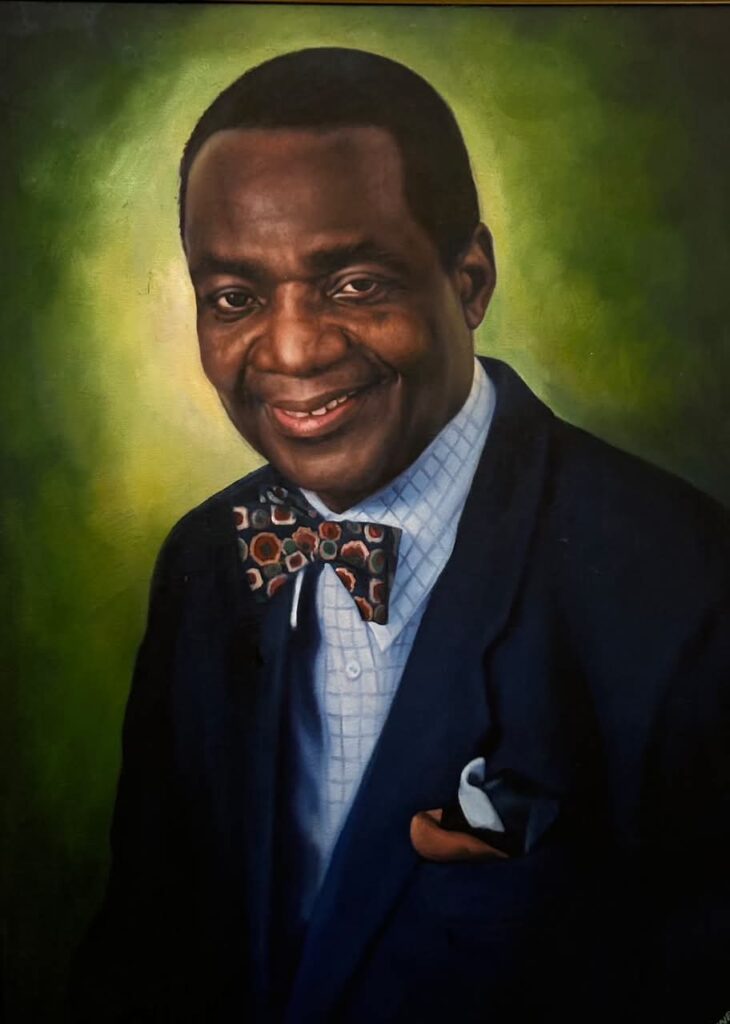
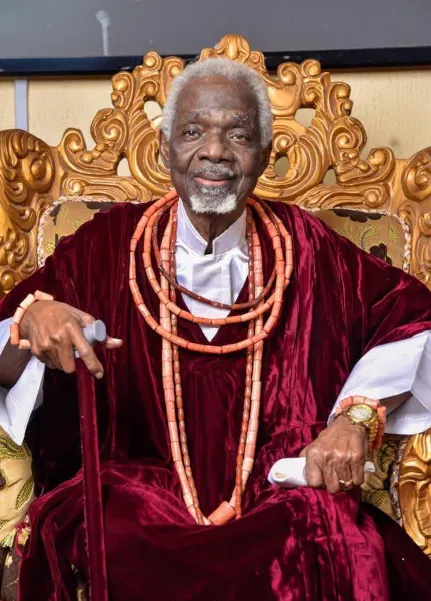
His years on the Supreme Court coincided with a transformative period in Nigeria’s democratic evolution. The country was navigating complex constitutional questions, electoral disputes, federal-state relations, and the challenges of democratic governance.
The judiciary frequently found itself called upon to interpret the Constitution and safeguard democratic institutions. In that environment, Justice Uwaifo distinguished himself through scholarly reasoning and meticulous legal analysis.
His judgments reflected a deep understanding of constitutional principles and an appreciation for the importance of preserving institutional integrity. He understood that courts do more than resolve disputes. They provide stability, define boundaries, protect rights and they help ensure that power remains subject to law.
Throughout his judicial career, he earned a reputation for intellectual rigor and independence of thought.
Lawyers who appeared before him often spoke of his careful attention to detail and his commitment to ensuring that justice was not only done but seen to be done. And his judgments continue to be cited in legal arguments and studied in law faculties across Nigeria.
That is one of the highest compliments that can be paid to a jurist. Long after retirement, his work continues to guide future generations.
One of Justice Uwaifo’s most enduring contributions was his belief in the supremacy of the Constitution and the necessity of strong institutions.
At a time when many democracies around the world continue to struggle with questions of accountability and governance, his judicial philosophy remains relevant.
He belonged to a generation of judges who understood that democracy survives only when institutions are respected and when the law remains superior to individual ambition.
Perhaps what makes his story particularly compelling is his quietness. He was never known for seeking public attention. He did not cultivate celebrity status. He allowed his work to speak for him.
And it spoke eloquently.
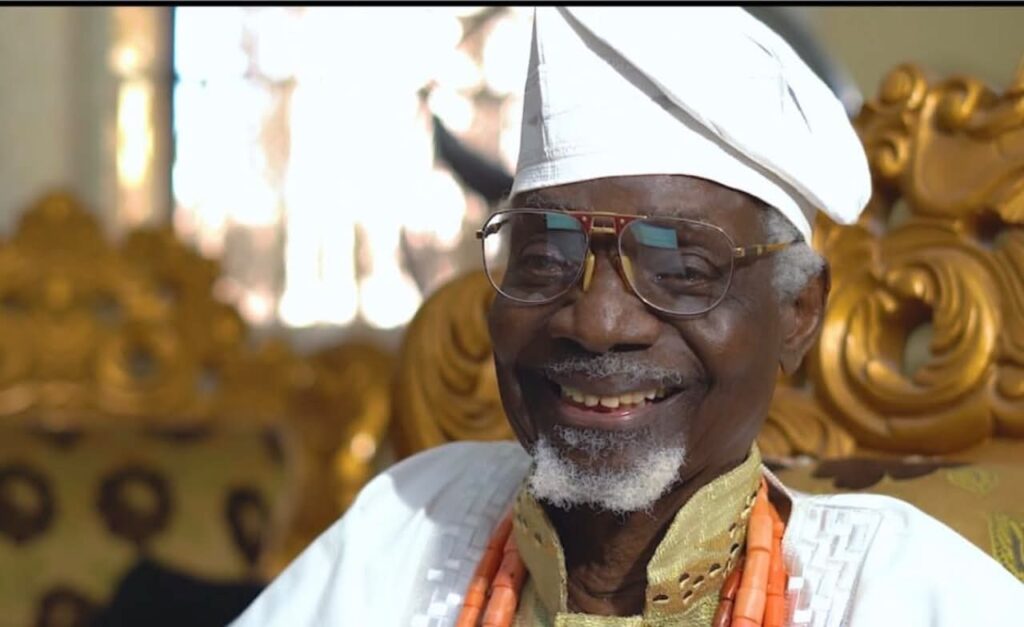
In an age increasingly dominated by publicity and self-promotion, Justice Uwaifo reminds us that true greatness often resides in substance rather than spectacle.
For Edo State, his achievements represent a source of immense pride.
He stands among a distinguished line of Edo sons and daughters whose contributions have enriched Nigeria’s national development.
His success demonstrates that excellence can be achieved through scholarship, discipline, professionalism, and unwavering commitment to principle.
His life also offers an important lesson to younger generations.
Not every path to significance runs through politics, entertainment, or commerce.
There remains great honour in intellectual achievement.
There remains great value in public service.
There remains great power in integrity.
Justice Samson Uwaifo embodies all three.
Today, whenever lawyers cite important precedents, whenever constitutional questions are debated, and whenever discussions arise about the role of the judiciary in safeguarding democracy, the influence of jurists like Justice Uwaifo continues to be felt.
That is the nature of true legacy.
It endures long after public applause has faded.
In celebrating Justice Samson Uwaifo, we celebrate more than a distinguished legal career.
We celebrate an Edo son whose contributions helped strengthen the foundations of Nigerian democracy and jurisprudence.
He may have worked quietly.
But his impact echoes loudly through the halls of justice.
Justice Samson Uwaifo remains a true Edo Icon.
“The greatest tribute to extraordinary lives is remembrance. They live on in the stories people refuse to stop telling.”
Chris Osa Nehikhare

Leave a Reply