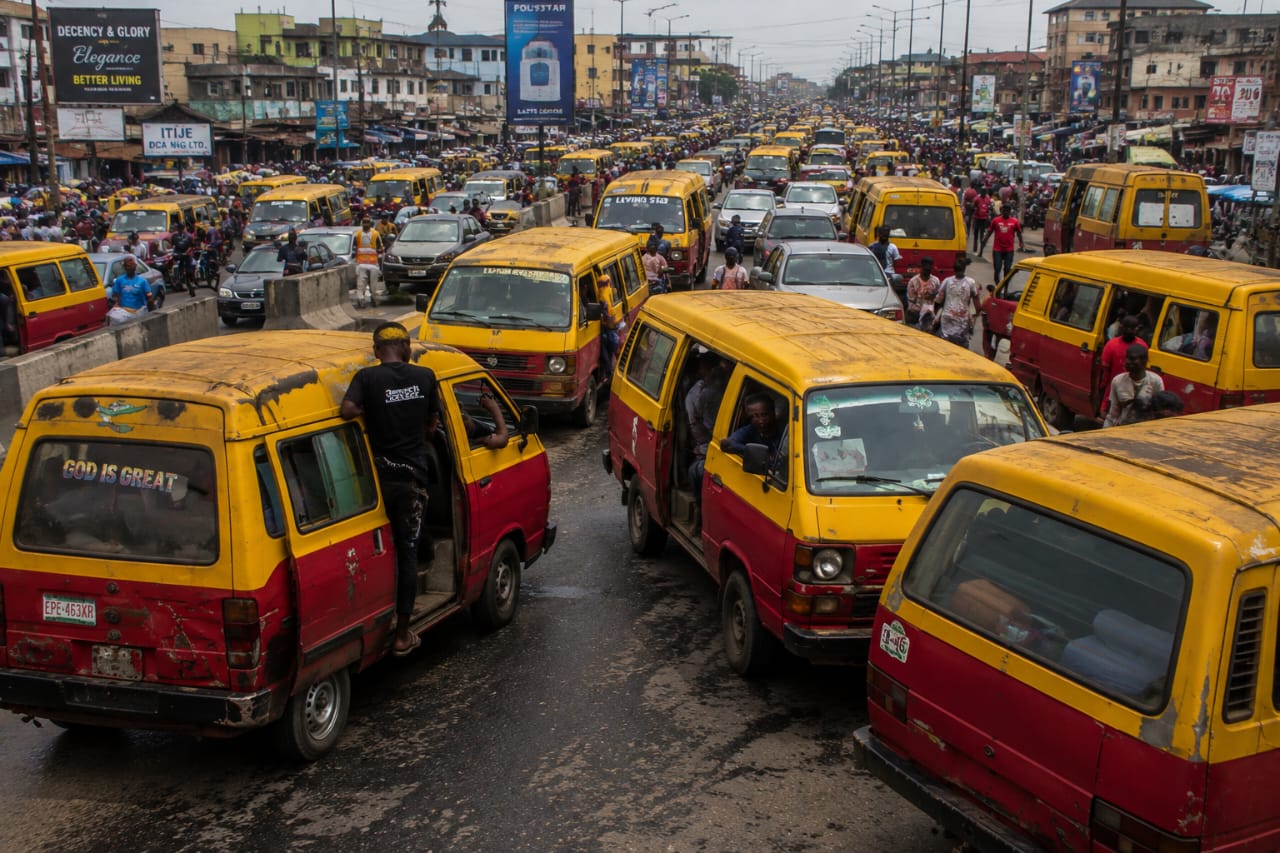
This afternoon, like many other days, I found myself driving through the streets of Benin City, not with the normal concern of avoiding potholes or navigating traffic, but with something far more dangerous—trying to avoid commercial buses and taxis.
It was a deeply frustrating experience.
One begins to wonder whether there are any rules governing commercial driving in our city anymore. Too often, some commercial drivers appear to regard traffic laws as mere suggestions rather than binding regulations. Red traffic lights are ignored. Lane discipline is almost non-existent. Vehicles cut recklessly across moving traffic without warning. Stops are made in the middle of the road to pick up passengers. Road courtesy has become a forgotten virtue.
The result is a driving environment that is stressful, unpredictable and unnecessarily dangerous.
Even more worrying is the growing impression that some drivers are not in the right condition to be behind the wheel. Their behaviour raises legitimate questions about fatigue, impairment or other factors affecting their judgement. Equally disturbing is the number of very young-looking drivers operating commercial vehicles. Some appear so youthful that one cannot help but ask whether they meet the legal requirements to hold commercial driving licences. If they do not, then both they and the passengers they carry are being placed in needless danger.
Of course, it must be said that many commercial drivers are hardworking, responsible men and women who simply want to earn an honest living. They too suffer because the misconduct of a minority tarnishes the reputation of the entire profession.
But where are the regulators?
What exactly are the Police and the Edo State Traffic Management Agency doing? Too often, the visible focus appears to be traffic control rather than traffic discipline. Enforcement should not end with directing vehicles at busy junctions. It must also include identifying dangerous drivers, removing unroadworthy vehicles from our roads and ensuring that offenders face meaningful consequences.
A city cannot claim to be modern while tolerating transport anarchy.
Commercial transportation is a public service. Those entrusted with carrying passengers should be held to even higher standards than private motorists, not lower ones.
It is time for Edo State to undertake comprehensive reforms.
Every commercial driver should undergo proper registration and periodic verification. Commercial licences should be rigorously checked. Drivers should receive compulsory refresher training in road safety, customer relations and defensive driving. Repeat offenders should face suspension or permanent withdrawal of their operating permits.
Transport unions must also accept greater responsibility. They should not merely collect daily levies. They should help enforce discipline among their members, identify habitual offenders and work with government to improve standards across the industry.
Technology can also help. Traffic cameras at major intersections, electronic ticketing for offences and a public reporting platform would improve compliance while reducing opportunities for selective enforcement.
Above all, there must be consistency. Road safety cannot depend on whether an enforcement officer happens to be standing at a particular junction.
The roads belong to all of us.
Every family has loved ones who board commercial buses every day. Every pedestrian deserves to cross the road safely. Every motorist deserves to arrive home without unnecessary anxiety caused by reckless driving.
Civilisation is reflected not only in the buildings we construct but also in the discipline with which we use our public spaces.
Benin City deserves roads governed by law, courtesy and respect—not by intimidation, recklessness and chaos.
The time to act is now, before another avoidable tragedy reminds us of what we already know.
“Benin’s Roads Are Becoming a Battlefield: Time to Restore Order to Commercial Transport.”



Leave a Reply