
By Chris Osa Nehikhare | Publisher, From My Window
Kulukulu 1 Lived!
There was a time when the Peoples Democratic Party in Edo State was in opposition and Government House was, naturally, unavailable to us.
But we had our own Government House.
It was called MCK Cottage.
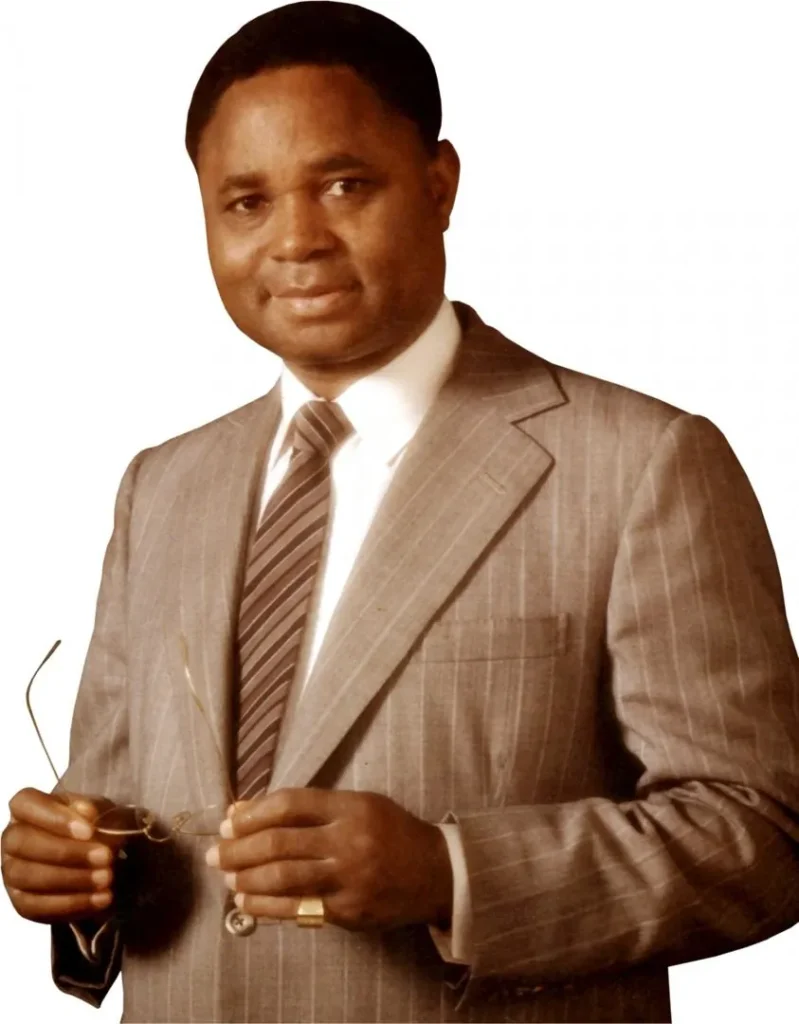
Dan Osi Orbih’s house.
Whenever Dan was in town—and that was frequent, often for long stretches—his home became the unofficial PDP Secretariat, meeting point, political clearing house, restaurant, welfare office, entertainment centre and, depending on the hour of the day, sometimes even a courtroom where political disagreements were argued, settled or temporarily adjourned.
Everybody came. From Edo South, Central and North.
Party leaders, ward chairmen, local government leaders, aspirants, elected officials, former office holders, youths, women, old politicians, new politicians and people who simply needed to see Chairman.
MCK Cottage received everybody and it received them well.
Looking back now, I realise that something very important was happening in that house beyond the politics. We were building camaraderie.
People from different parts of Edo State got to know one another. A party member from Akoko-Edo could sit at the same table with someone from Oredo. Someone from Uromi could strike up a friendship with someone from Orhionmwon. Local political problems were discussed. Solutions were suggested. Alliances were formed. Favours were requested. Support was canvassed.
We lobbied one another. We argued. We laughed. We strategised. And slowly, almost without realising it, a political family was being built.
Dan was at the centre of it.
No matter how highly placed you were, MCK Cottage had a way of reducing everybody to just another member of the family.
And everybody had a seat at the dining table. That dining table deserves its own chapter in the Dan Orbih story.
Lunch and dinner was almost guaranteed.
For many, transport fare home was also guaranteed.
And if somebody came with a genuine problem—a child’s school fees, a hospital bill, an emergency at home—Dan would usually intervene.
Some came only to greet Chairman and somehow still managed to eat lunch, dinner and perhaps collect transport fare.
MCK Cottage was like that.
Dan was like that. He enjoyed people. He enjoyed company.
And he knew how to entertain.
Then came the weekends.
Friday and Saturday evenings could be something else entirely.
After the meetings had ended, after the arguments had been exhausted, after everybody had eaten and the serious business of politics had temporarily been suspended, we would migrate, almost inevitably, to The Hall.
And then Chairman became entertainer-in-chief.
Music would play. Dan would tease everybody. Nobody was too important to escape his tongue.
He bantered. He laughed. He danced.
And, of course, he expected everybody else to participate.
There were no political titles inside The Hall.
You could be a senator, commissioner, party leader, aspirant or ordinary party member. Once the music started, Chairman could make you the subject of the evening’s entertainment.
And Dan could dance.
For a man who carried the enormous pressures of opposition politics on his shoulders, he knew how to enjoy himself.
He played hard. But he worked even harder.
That is the Dan many people outside his immediate circle may never have fully known.
The public saw the formidable PDP State Chairman.
They saw the man at press conferences.
They saw the politician taking on the government of the day.
They heard the fiery speeches.
They saw the strategist and combatant.
We saw all of that too.
But we also saw Dan at home. We saw the host.
We saw the man who made sure there was food on the table.
We saw the friend who quietly reached into his pocket when somebody had a problem.
We saw the man laughing until tears rolled down his face.
We saw him teasing his friends mercilessly.
We saw him dancing.
We saw Kulukulu 1.
And Kulukulu 1 lived!


And somehow, between the politics, the food, the laughter, the music and the endless stream of people through MCK Cottage, Dan created something that political parties today desperately need but rarely build:
A sense of belonging.
Politics can be transactional.
It can be cold.
It can become nothing more than meetings, primaries, elections, appointments and ambitions.
But at MCK Cottage, politics also had fellowship.
People knew one another. People ate together. People laughed together. People quarrelled and reconciled. People learned each other’s stories.
Relationships were built across senatorial districts and local government boundaries.
And many of those relationships survived even when politics changed.
That was one of Dan’s gifts.
He understood instinctively that organisations are ultimately built around people.
You could have all the structures, constitutions and committees in the world, but if people did not develop affection for one another, the organisation would remain fragile.
At MCK Cottage, we became more than people who merely belonged to the same political party. We became companions in a struggle.
And Dan Orbih was our host.
Today, as I struggle to accept that he is gone, my mind does not immediately return to the big political battles.
It returns to that house.
To the crowded sitting rooms.
To the dining table.
To the endless visitors.
To somebody arriving with one problem and leaving with another problem solved.
To the food.
To the laughter.
To The Hall.
To Friday nights.
To Saturday nights.
To the music.
And to Chairman dancing.
Those memories hurt today.
But they also make me smile.
And perhaps that is how Dan would have wanted to be remembered.
Not only with tears.
But with laughter.
With stories.
With music.
With people gathered around a table.
Because Dan Orbih understood something about life that many of us sometimes forget.
There must be time to work.
But there must also be time to live.
And Dan lived.
Kulukulu 1 lived!
And those of us privileged to have shared those years with him will carry the memories for the rest of our lives.
From My Window | A view. An opinion. Our Reality.

Leave a Reply